A proposed scheme, not yet available. The RAS is well developed but still needs Government to pass enabling legislation. This site explains to councils, elected members and the public what could be coming. Where it is at

How it works

One scheme, explained in plain English.

The RAS is proposed to be a central and local government-owned lender, modelled on the Local Government Funding Agency (LGFA). It would pay your council or your installer upfront, and you would repay it over time through a RAS levy that sits against your property.

A child on a bike on the front lawn of a brick-and-tile home with solar panels on the roof

Getting started

RAS establishment.

The RAS is yet to be established. This requires Government to pass specific enabling legislation and agree to take a financial stake, alongside enough councils and the Local Government Funding Agency to take financial stakes and agree to offer RAS products to their ratepayers. Staff will need to be hired and the underpinning IT and financial systems established.

Four steps

The RAS in operation.

Once in place, the RAS would be a council controlled organisation, jointly owned by participating councils, the LGFA and the Crown. No single owner would hold more than 20%, so it sits off every balance sheet. It would raise money similar to how the LGFA does, and lend it to ratepayers through their council.

Your council joins

Council passes a resolution, picks which products to offer, and gives a limited guarantee proportionate to its ratepayers' use.

The RAS raises funds

LGFA lends to the RAS until the book reaches about $1 billion, then the RAS may issue its own bonds.

You apply

Ratepayers with at least 20% equity opt in. The RAS would pay the council or the accredited installer upfront.

You repay over time

A RAS levy sits against your property. You pay it down over time, early with no penalty, or in some instances pay nothing until you sell your property.

Sources: RAS overview, November 2025; Tauranga City Council paper, November 2023; Kāpiti Coast release, September 2026.

The money flow

Where the money comes from, and where it goes.

The LGFA would lend to the RAS until the loan book reaches about $1 billion. After that the RAS may issue its own bonds, likely managed by the LGFA. Councils, the LGFA and the Crown would own the RAS together, with no owner above 20%.

How money would flow through the RAS The LGFA lends to the RAS and capital markets buy RAS bonds. The RAS pays the council upfront for rates or development contributions, or pays an accredited tradie directly for approved energy works. The ratepayer repays the RAS over time through a RAS levy that sits against the property. Councils, the LGFA and the Crown would own the RAS. LGFA lends until the book reaches about $1b Capital markets RAS bonds, likely managed by LGFA The RAS proposed central and local government-owned lender. Off every balance sheet. Council paid rates or DCs in full; gives a limited guarantee Tradie accredited installer, for energy upgrades Ratepayer 55+, homeowner, developer lends buy bonds pays upfront pays directly for approved works rates or DC covered upgrade installed repays over time through a RAS levy that sits against the property
Proposed flows, as described in the RAS overview (November 2025), the Tauranga City Council paper (2023) and the QLDC briefing pack (2025). Councils, the LGFA and the Crown would own the RAS together. The exact ownership split and guarantee terms are indicative until the scheme is legislated.

Three products

Side by side.

Every row is indicative.

Comparison of the three RAS products
Rates PostponementEnergy IMPACT loansDeferred Development Contributions
Who it is forRatepayers aged 55 and over, and certain low-income households eligible for a rates rebate, with at least 20% equity in their home.Any ratepayer with at least 20% equity, in a council that offers the product.Developers of any size, including mum and dad developers and granny flats, in a council that offers the product.
What is financedYour annual council rates, each year you choose to postpone. In principle all council charges, including water.Solar, home batteries, hot water heat pumps and space heat pumps from accredited installers.The development contribution or levy invoiced by the council at consent.
TermUntil you sell the property.Matched to the life of the upgrade, 15 to 30 years.Up to 30 years.
How it is repaidIn one go when the property is sold, or earlier with no penalty.Regular invoices (monthly or quarterly, tbc). Early repayment with no penalty.Regular invoices (monthly or quarterly, tbc). Early repayment with no penalty.
InterestFloating, reset quarterly, around 2% below bank floating mortgage rates. Rates differ by product to reflect risk. Around 3.5% to 3.8% had the RAS been operating in November 2025.
FeesOne-off establishment fee of approximately $100. The RAS covers its costs from a net interest margin of about 1%.
Who carries the riskThe loan is secured by a RAS levy on the property that ranks ahead of a mortgage, with a minimum of 20% equity and insurance requirements. Councils give a limited guarantee proportionate to use. The RAS does not bear interest rate risk.
Headline benefit~$4,000 a year kept in your pocket$1,000+ a year better off, after repayments30 years to spread $30 to 60k+ per dwelling

Sources: RAS overview, November 2025; LGNZ FAQ; Tauranga City Council paper, 2023; QLDC briefing pack, 2025; Hutt City briefing, 2025. Indicative

Rates Postponement

~$4,000a year kept in your pocket

Defer your council rates each year and repay when you sell. It would work like a reverse mortgage, but with negligible fees and an interest rate 4 to 5% lower.

55 and overCertain low-income households20% equity
About Rates Postponement

Energy IMPACT loans

$1,000+a year better off, after repayments

Borrow for solar, a battery, a hot water heat pump or a space heat pump at the RAS rate, over terms that match the life of the gear. EECA-accredited installers, repaid over time.

Any ratepayer20% equitySolar, batteries, heat pumps
About Energy upgrades

Deferred Development Contributions

30 yearsto spread $30 to 60k+ per dwelling

Councils would still get paid upfront. Developers and future owners repay the contribution over up to 30 years, so more homes get built and fewer get stuck at consent.

DevelopersGranny flats and infillFuture owners
About Deferred DCs

Who does what

What a council has to do, and what you have to do.

Nothing would change on the council's balance sheet. The RAS would pay the council in full and carry the loan. The RAS would have no discretion over who or what it lends for: every product must be approved by councils and central government.

A council

  1. Signals support. Passes an in-principle resolution. 16 councils have done this so far, alongside the 8 funding councils, and it costs nothing.
  2. Joins as a member. Once the RAS exists, signs the limited joint and several guarantee, provides website access and shares the data the RAS needs to run the levy.
  3. Chooses products. Opts in product by product. A council can offer Deferred DCs and not Rates Postponement, or the other way round.
  4. Optionally invests. Shareholder councils subscribe equity. Members that only offer products do not have to.

Sources: Whakatāne council deck, February 2026; QLDC briefing pack, June 2025; Kāpiti Coast release, September 2026.

A ratepayer

  1. Checks the council is in and which products it offers. Find your council.
  2. Checks they qualify. At least 20% equity for every product. Rates Postponement is for people aged 55 and over or eligible for a rates rebate.
  3. Applies. Through the appropriate portal. For energy upgrades you compare quotes from accredited installers first.
  4. Repays over time. The RAS levy sits against the property. Pay it off early with no penalty, or clear it when you sell.

Sources: RAS overview, November 2025; Rewiring Aotearoa campaign page.

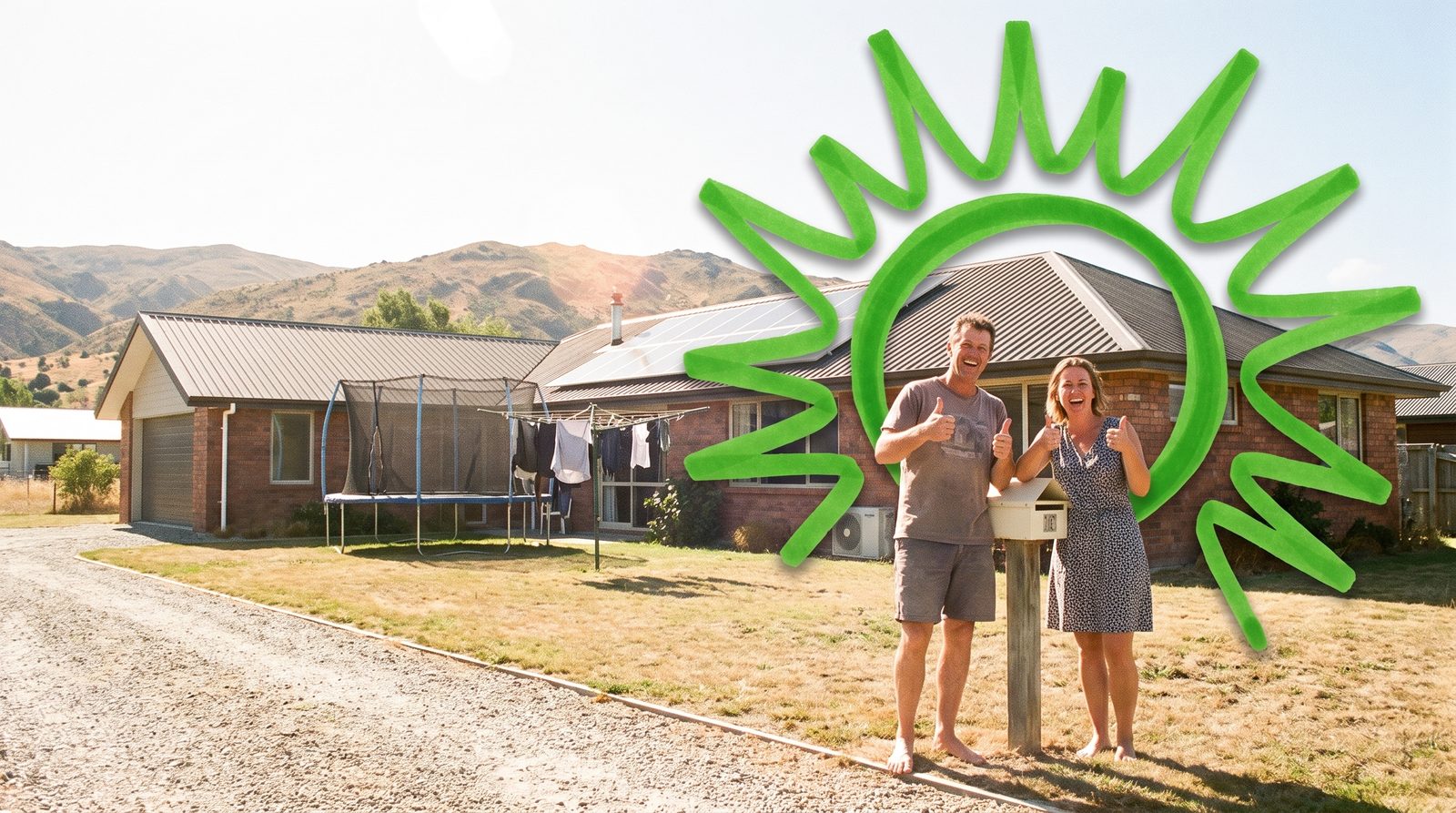
A couple giving a thumbs up beside their letterbox in front of a brick home with solar panels on the roof, a green sun drawn behind them

Paid upfront. Repaid over time.

Common questions

Five quick answers.

More on the FAQ page, grouped by ratepayers, councils, developers and central government.

Is the RAS a subsidy?

No. It would be a financing tool. You repay what you borrow plus interest. The benefit is a low rate, a long term and no need for a bank.

Does it put my council into debt?

No. No single owner would hold more than 20% of the RAS, so it sits off every shareholder's balance sheet. Councils would give a limited guarantee proportionate to their ratepayers' use, much like the LGFA.

What does it cost to borrow?

An interest rate around 2% below bank floating mortgage rates, floating and reset quarterly, plus a one-off establishment fee of about $100. All indicative until the scheme launches.

Is it compulsory?

No. Councils would opt in product by product, and ratepayers opt in loan by loan. Nobody would be enrolled automatically. Potential purchasers of properties with a RAS levy are fully aware and can make informed choices.

When can I apply?

Not yet. The scheme needs a Cabinet decision and enabling legislation. LGNZ aims for first loans in 2027, subject to Government.