Products
One scheme, three ways to spread the cost.
Councils would opt in product by product. Ratepayers opt in too. Every loan would be repaid through a RAS levy that sits against the property, at an interest rate around 2% below bank floating mortgage rates.
Three products
Pick the one that fits your bill.
Headline figures from the RAS overview, November 2025. All terms are indicative until the term sheet is published.

Rates Postponement
~$4,000a year kept in your pocket
Defer your council rates each year and repay when you sell. It would work like a reverse mortgage, but with negligible fees and an interest rate 4 to 5% lower.
55 and overCertain low-income households20% equity
About Rates Postponement 
Energy IMPACT loans
$1,000+a year better off, after repayments
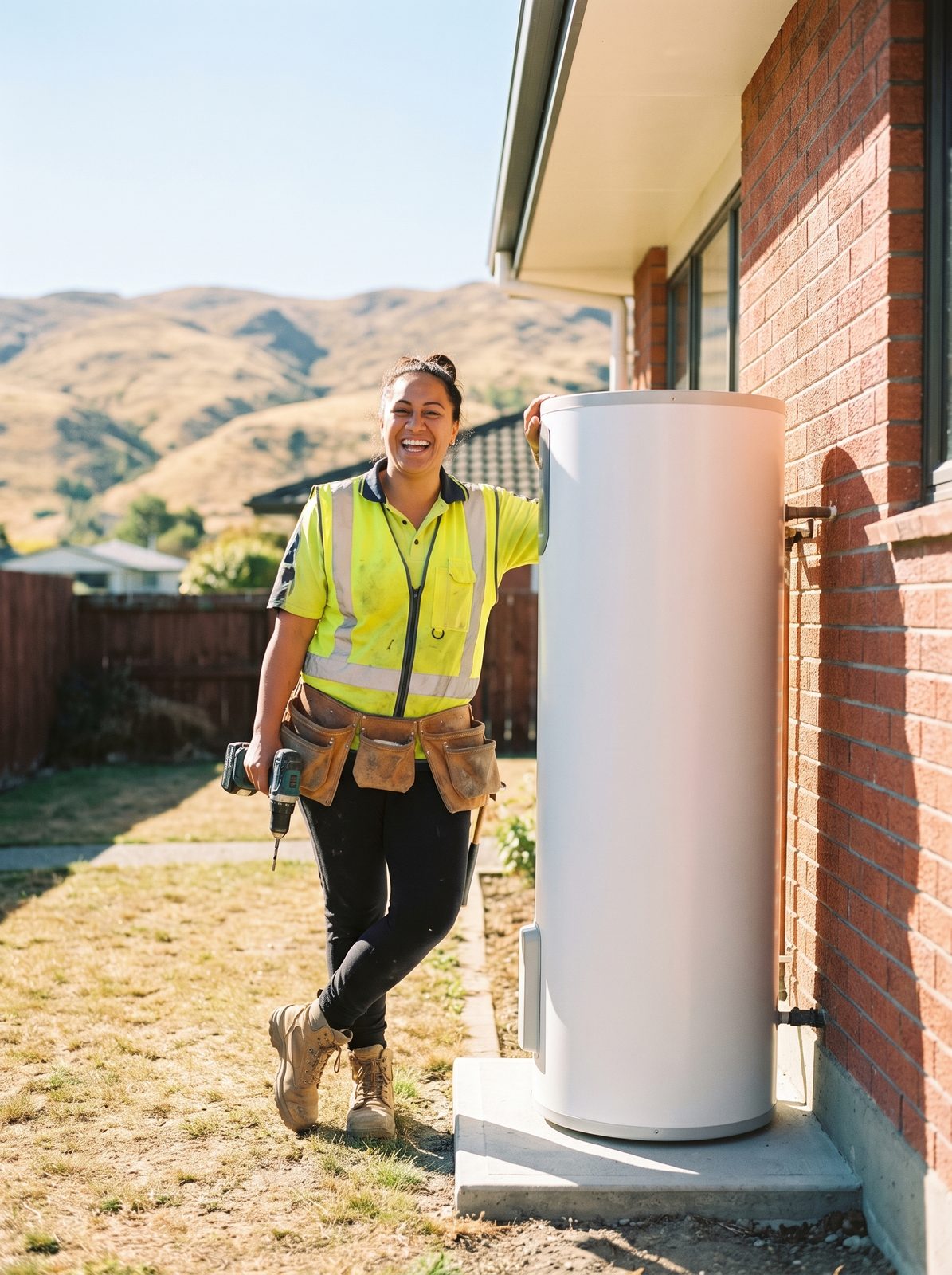
Borrow for solar, a battery, a hot water heat pump or a space heat pump at the RAS rate, over terms that match the life of the gear. EECA-accredited installers, repaid over time.
Any ratepayer20% equitySolar, batteries, heat pumps
About Energy upgrades 
Deferred Development Contributions
30 yearsto spread $30 to 60k+ per dwelling
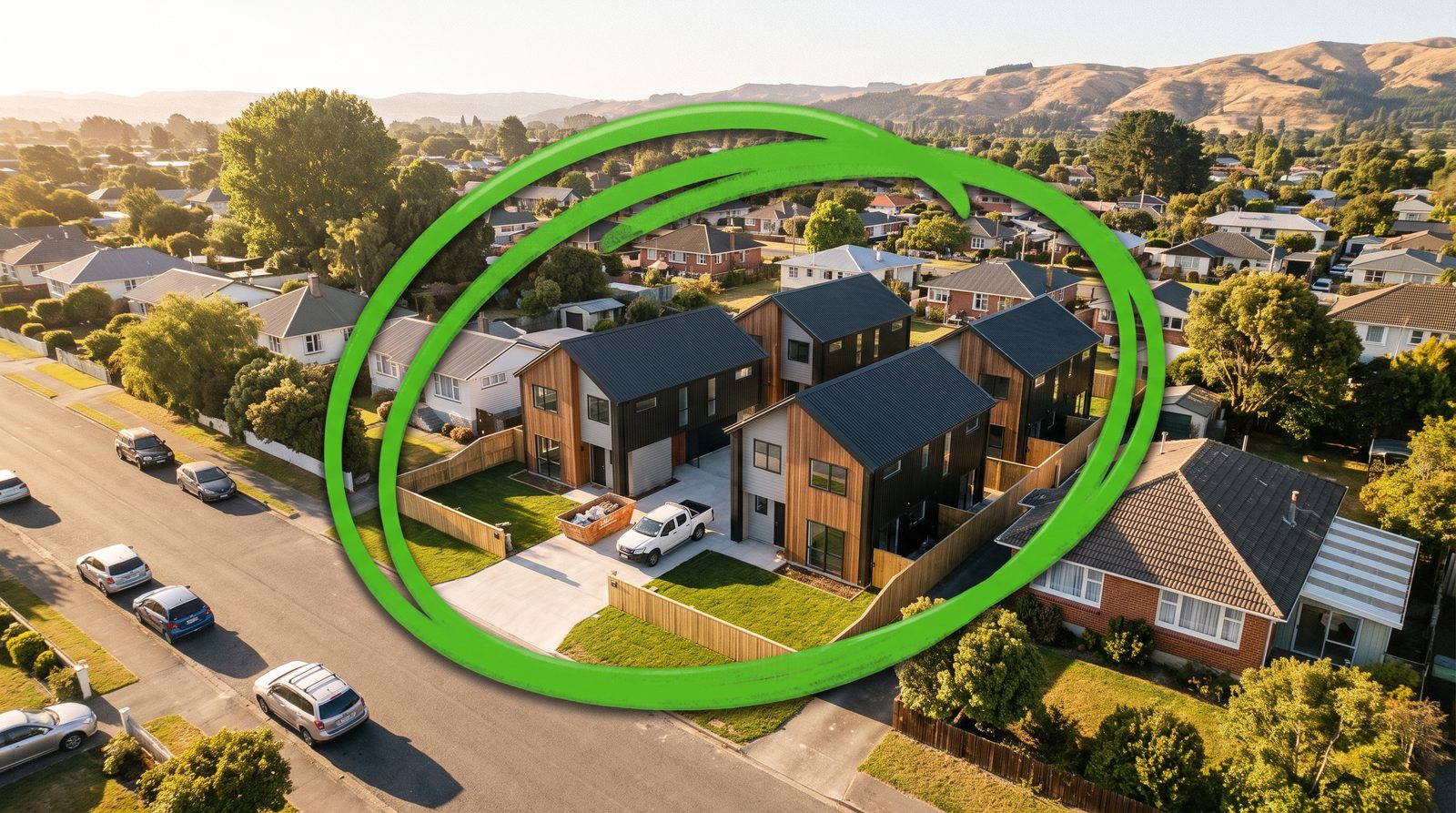
Councils would still get paid upfront. Developers and future owners repay the contribution over up to 30 years, so more homes get built and fewer get stuck at consent.
DevelopersGranny flats and infillFuture owners
About Deferred DCs Common ground
What every product shares.
The mechanics are the same whichever product your council switches on.

Paid upfront
The RAS would pay the council or the accredited installer in full. Nothing changes for council finances.

Secured by a RAS levy
A RAS levy that sits against the property, ranking ahead of a mortgage.

20% equity, opt-in
Borrowers need at least 20% equity. Councils and ratepayers both choose whether to take part.

Low floating rate
Around 2% below bank floating rates, reset quarterly, about $100 to set up, no early repayment penalty.
RAS overview, November 2025; LGNZ FAQ; Tauranga City Council paper, 2023.
Rates sorted. Solar on. Homes consented.
The numbers
What the products add up to.
2025 base case figures from the RAS overview. Indicative until the scheme is established.
~$4,000
A year kept in pocket with Rates Postponement
Average, repayable on sale
$1,000+
A year better off after energy loan repayments
Household with a decent solar system
30 years
To spread a development contribution
$30-60k or more per dwelling
~$100
One-off establishment fee
No early repayment penalty